People, place, animal, disease
Is it a coincidence that more 'complicated' pathogens to vaccinate against and more poverty/poorer countries share a geographic area?
In an article published in The Hindu this morning about the difficulties of developing an ebolavirus vaccine, I wrote:
Many NTDs [neglected tropical diseases] are caused by eukaryotic parasites, i.e. worms and protozoa, which develop in multiple stages across multiple hosts, complicating researchers’ efforts to identify a stable antigen for vaccines to target. The immune system also struggles to confer lasting protection against infections by these organisms, making them categorically harder to vaccinate against than, say, measles.
On a second reading, a particular point caught my eye. NTDs are prevalent in the world's tropical and the subtropical areas. Most of the world's poor people are also located in this belt (and/or a few degrees above/below). Their poverty can be traced back to colonial-era exploits and plunder and the unstable governments that followed since their independence. The disease-causing pathogens in these regions also seem more complicated, developing in stages and whatnot. Is it coincidental that both realities — more 'complicated' pathogens to vaccinate against and more poverty/poorer countries — share a geographic area?
On the one hand, eukaryotic parasites have multi-stage, multi-host life cycles because tropical areas are highly biodiverse. (I believe why that is has yet to be settled, although scientists have evidence that the tropics have had a stable climate for longer stretches of geological time, their ecosystems occupy larger areas on the ground, the warmer weather speeds up metabolism and mutations, the more sunlight received supports more biomass, and their ecological niches are often narrower.) That means more host species to 'choose' from, more ecological niches to occupy, and more pressure to evolve in complex ways. At the same time, it is not a good idea for a pathogen's survival to depend on multiple hosts — unless the hosts are reliably available. And the conditions in the tropic, but especially the weather changing relatively minimally between seasons, ensure this availability. In the temperate zones and beyond, the weather changes more drastically, forcing many species to proliferate or not depending on the time of year.
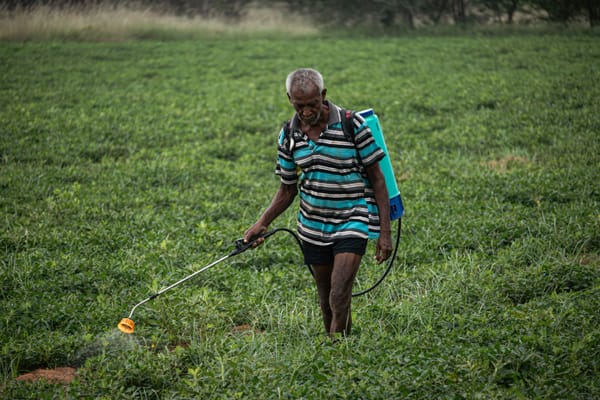
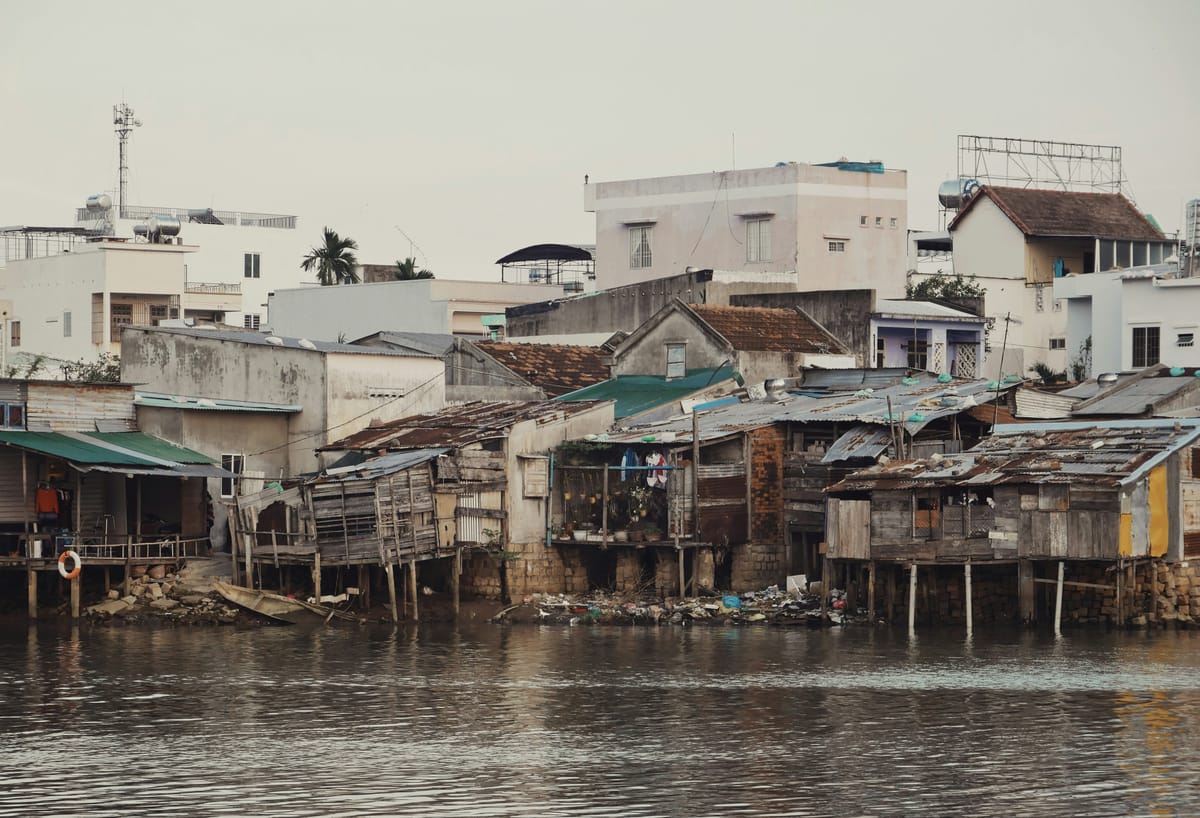
On the other hand, poverty is a risk factor for exposure to pathogens. When a community lacks good sanitation and has to defecate in the open, hookworm larvae can be deposited in the soil, where they hatch and become infectious. For another example, snails shed Schistosoma cercariae larvae, which can come in contact with human skin through dirty water. Malnutrition also reduces immune function. If a poor person develops a chronic disease, their chances of escaping poverty can drop further. For instance, schistosomiasis causes liver fibrosis and cognitive impairment in children while hookworm causes anaemia and stunts development. Put another way, economic development and the disease environment go hand in hand, instead of one causing the other.
Further, colonialism created and sustained living conditions that made it harder for people to escape being affected by dangerous pathogens. Colonial economies were for the most part extractive; even tropical medicine, such as it was, took shape as a discipline for doctors to attend to British (or European) administrators and soldiers, rather than the native population. And the end of colonialism did not spell the end of this neglect: it continued in the capitalist world-system by acting through purchasing power, neglecting those who lack it.
In sum, the disease environment influenced the colonists' strategies (they wanted to extract and leave more than settle down and develop), those strategies produced the institutional deficit that drove poverty (ignoring the infrastructure and institutions that could have laid the groundwork for self-sustaining economies after they left), and poverty sustained the disease environment (this does not mean "poverty causes disease" but that poverty helps sustain disease transmission and severity if certain pathogens are already present). To round things off, today, the impulses of colonialism have been replaced with those of market-driven exclusion.
Featured image credit: Jordan Opel/Unsplash.
![A close-up photograph of yellow crime scene tape in sharp focus reading "CRIME SCENE DO NO[T CROSS]", with a group of blurred](/content/images/size/w600/2026/06/joshua-coleman-g86cbfibd6e-unsplash.jpg)